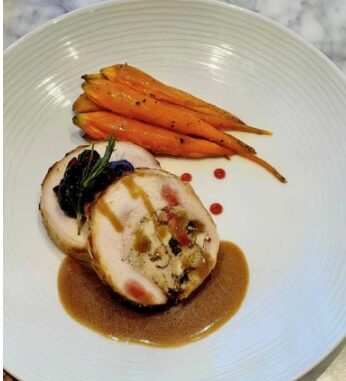
There’s something magical about Christmas that begins long before the lights and decorations and food has a big part to play in it.
In Kerala’s mild winters, warm, hearty dishes boost immunity, improve digestion, and provide comfort through rich coconut milk, spices like black pepper, and seasonal greens. These meals bring together communities during festivals, replenishing energy with nutrient-dense ingredients that align with nature’s bounty, ensuring guests feel revitalized and connected to our heritage.
Sukesh Krishnan, Executive Chef at Gateway Bekal shares some insights:
In North Kerala, steamed Nendran bananas (Pazham Puzhungiyathu) are a classic winter breakfast. Packed with potassium and antioxidants, they’re believed to generate warmth and sustain energy through the day.
The Bekal Twist on Pathiri – While pathiri is a Malabar staple, Bekal homes often make winter-only versions like neypathal (deep-fried) and panchara pathiri (lightly sweetened), loved for their comforting warmth on cool evenings.
Kasaragod’s Famous Kottu Kurumulaku (Black Pepper). Harvested around the winter months, Kasaragod pepper is known for its extra heat and aroma. Locals add it generously to rasam, chicken pepper fry, and kanji during cooler nights for its warming effect.
At Gateway Bekal, we elevate winter dining featuring Kerala Vegetable Stew simmered in fresh coconut milk alongside appam, pure soul-warming bliss.
A fun winter food trivia is that gingerbread cookies date back over 2,000 years, originally used as medicinal remedies in ancient Greece and Egypt. The tradition of fruitcake is believed to have Roman origins, with some recipes dating back to the 16th century. Eggnog, a popular holiday drink, comes from medieval Europe and was once considered a luxurious beverage made with milk, eggs, and spirits for the wealthy. Roast turkey became a Christmas staple in Britain during the 16th century, replacing earlier dishes like boar or goose. These foods carry rich histories, intertwined with holiday traditions and cultural evolution.
Read the full story that first appeared in Seema Magazine here:

Leave a Reply